All Services
Construction to Operations

HyperCare

The overlap between construction, commissioning, and operations. We take operational ownership of the plant while the project is still being finished — and build the operating model as we go.

What's included
  • Operational ownership
  • Structured rounds & logs
  • Deficiency identification
  • Design intent validation
  • Alarm response & escalation
  • Hypercare platform
The challenge

Mission-critical facilities rarely arrive finished

Load shows up before the project does. Systems are still being tested and programmed while the facility is already serving its mission, with hundreds of punchlist items open. Traditional turnover assumes a clean line — construction, then commissioning, then operations — but that line does not exist on a live critical site.

Our solution

We operate the facility while it is still becoming one.

HyperCare overlaps construction, commissioning, and operations instead of sequencing them. Our operators take day-to-day responsibility for the plant while commissioning agents and contractors are still on site — so problems surface under real conditions and get fixed by the people who can still fix them.

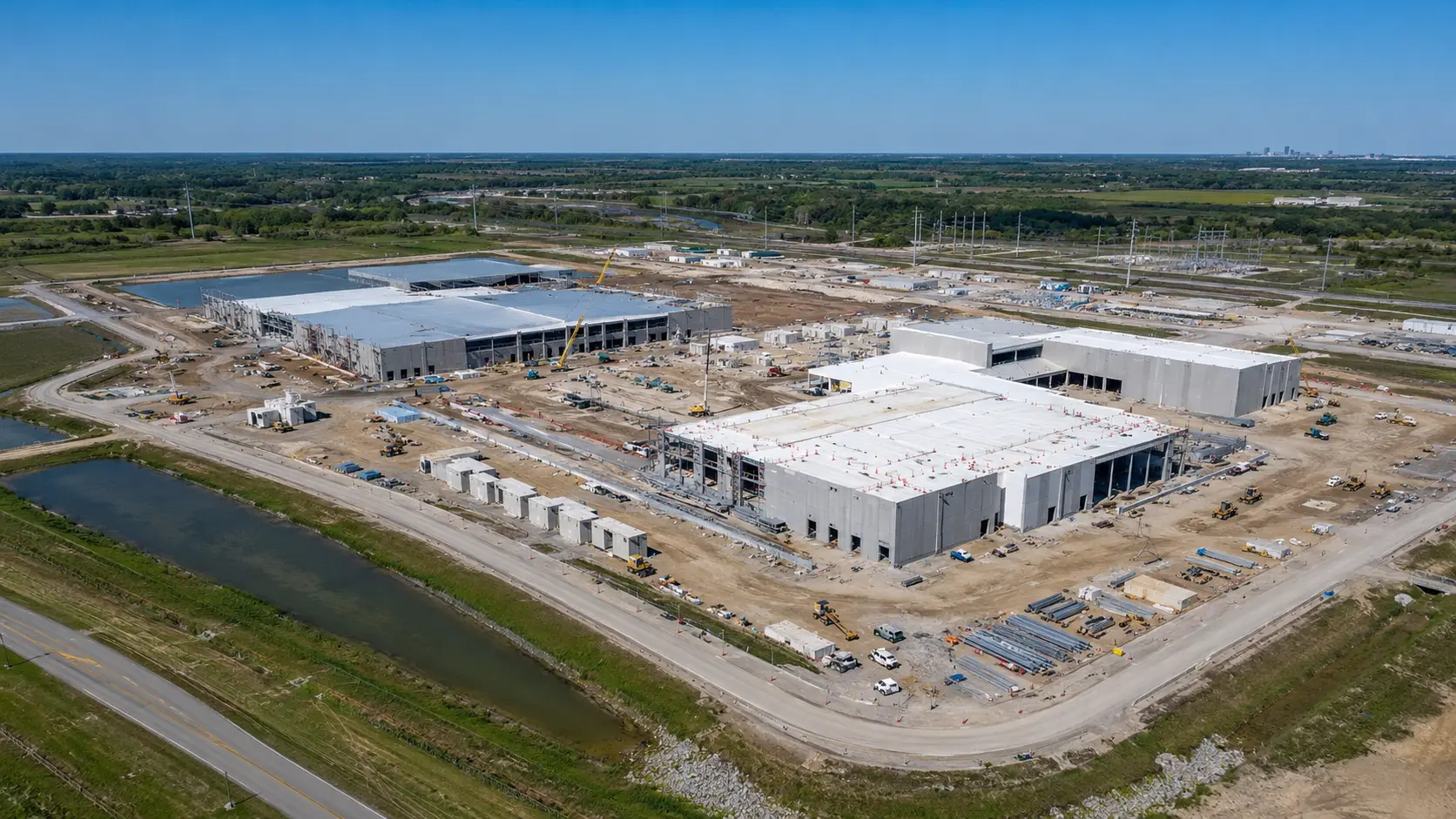
Aerial view of a data center campus under construction, with shell buildings, cranes, and site work in progress
HYPERCARE PLATFORM

A proprietary web-app that manages uptime for your facility 24/7.

We built our own Hypercare platform because nothing on the market did this right. It turns the daily logs your operators already take — chiller readings, generator checks, UPS and switchgear rounds — into a live picture of facility health. No integration into your BMS, no network access, no new attack surface. Just disciplined data, read the way a reliability engineer would read it.

24/7
Continuous facility watch
0
Connections into your systems
1
Dashboard for every asset
hypercare.missionworks
Plant overview
Facility health · 95 / 100
Live
Plant uptime
99.50%
CH critical
1
Under review
3
Maint items
57
77
Chillers
100
Dry coolers
71
RTUs
Chillers2 run · 4 down
CH-1CH-2CH-3CH-4CH-5CH-6
Active issues — by severity
  • CH-3 · Critical low oil differentialCritical
  • CH-2 · High oil differential reviewReview
Log-driven, not system-tapped
Readings come from operator rounds, not a connection into your controls. Security teams stay happy, and there is nothing to procure, patch, or firewall.
Deviation alerts in real time
Every entry is checked against design and historical baselines. A drifting approach temperature or a creeping bearing temp raises a flag the same shift it appears.
Trends that predict failures
Months of clean, structured readings per asset — so degradation shows up as a curve on a chart long before it shows up as an outage.
One dashboard, every site
Asset health, open deviations, PM compliance, and reliability KPIs in one view leadership can actually act on — per building or across the portfolio.
Rounds your crews will finish
Mobile-first log entry with required fields and instant validation. Legible, complete, timestamped — the end of clipboard data no one trusts.
Audit-ready history
Every reading, flag, and corrective action is retained and exportable — a defensible record for clients, insurers, and internal audits.
Built to hand over

And then we teach your team to run it.

The platform is where HyperCare and MissionTraining meet. Your on-site staff learn the logs, the alerts, and the reliability logic inside the same tool we use — so competency is built on real data from your building. The end state is your team running the facility on the platform themselves, with us in the background.

Explore MissionTraining™
What we do

HyperCare is a structured transition from project to operations

Traditional turnover is a handoff: construction, then commissioning, then operations. HyperCare overlaps them. We take operational ownership of the plant while commissioning, controls programming, testing, and closeout work are still active — learning the facility, operating it, finding what does not match design intent, and building the long-term operating model at the same time.

How we staff it

Embedded with your team

We embed alongside the operators, contractors, and commissioning teams already on site — filling gaps, setting the standard for rounds and logs, and training your people on the same playbooks until they can run the facility themselves.

01

Operating through the transition

Mission-critical facilities rarely arrive fully commissioned and stabilized. Systems are still being tested, adjusted, and programmed while the load is already being served, and the open punchlist and retest backlog can run into the hundreds or thousands of items. That environment needs more than an equipment maintainer — it needs an operations team that can run the plant through the transition while helping drive the transition forward.

  • Day-to-day responsibility for plant operations while commissioning continues
  • Operational ownership of the central utility plant and critical equipment
  • Coverage that holds while construction, controls, and testing are still active
  • Deficiencies documented as they surface under real operating conditions
  • Recurring issues tracked to separate isolated failures from systemic problems
  • One accountable team on the floor every day, not a rotating cast
02

Closing the gap between design and operation

Drawings, sequences of operation, programming, and commissioning tests establish design intent. Only operation validates it. Our operators know how the systems are supposed to run, so they can see where actual behavior differs — and they work directly with the commissioning agents, controls programmers, engineers, and contractors to resolve it while those teams are still on site.

  • Actual equipment behavior compared against sequences and design intent
  • Real-time operational feedback to controls programmers as sequences are refined
  • Support for troubleshooting and corrective work in live operating conditions
  • Deficiency tracking through to correction and validation
  • A continuous loop: operate, observe, identify, communicate, correct, validate, standardize
  • Every issue closed during HyperCare improves long-term reliability, not just today
03

Building the operational foundation

Because we are running the plant while it matures, the operating structure is built from real field experience instead of written before anyone touched the equipment. Rounds, logs, turnover, and alarm response are established on how this facility actually behaves — and the knowledge gained during commissioning and troubleshooting feeds straight into the maintenance program.

  • Structured operator rounds and documented monitoring of critical equipment
  • Shift turnover that carries alarms, work orders, temporary configurations, and open issues across shifts
  • Clear alarm response: identify, acknowledge, escalate, resolve
  • Reliable daily logs and historical operating data that expose trends
  • Firsthand equipment knowledge — limitations, failure modes, operating characteristics
  • Commissioning and troubleshooting knowledge rolled into preventive and corrective maintenance
04

Handing over a facility that is truly operational

HyperCare ends when the facility is stable, documented, and understood — not when a date passes. The operating program we built in the field becomes the program your team runs, and MissionOps™ picks up steady-state facility management from there if you want us to stay.

  • Punchlist, retest, and deficiency backlog driven toward closure
  • Procedures, rounds, and logs proven under real operating conditions
  • Asset knowledge and operating history handed over as data, not anecdotes
  • Operators trained on the plant and the platform before we step back
  • A clear line into long-term facility management under MissionOps™

We don't wait for the project to become operational. We help get it there.

Outcomes

What you walk away with

Measurable results your team owns long after we hand over.

  • A plant operated safely while completion work continues
  • Deficiencies found under real operating conditions, not after handoff
  • Design intent validated by how equipment actually behaves
  • Rounds, logs, turnover, and alarm response established in the field
  • Firsthand equipment knowledge carried into the maintenance program
  • A facility that is genuinely operational, not just substantially complete
Next step

Coming out of construction?

Let's talk about HyperCare before the facility has to carry its mission.